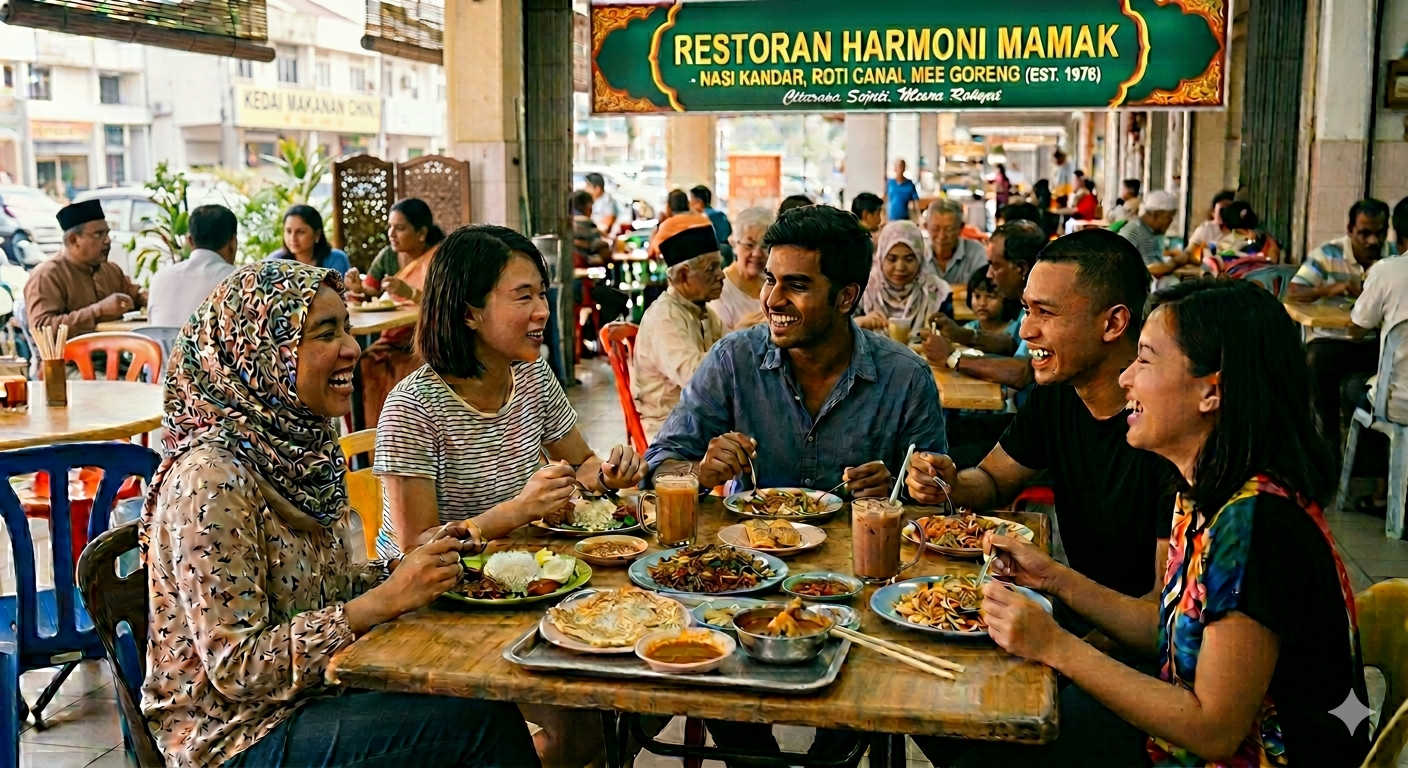
The Malaysian language and culture canvas
One unique thing about language and culture is that the way we speak says more about us than we realise. In Malaysia, language is also a reflection of cultural identity. Across different societies, language quietly reflects beliefs, values and traditions. It is not only functions as a mirror of culture but also a system that carries social meaning and cultural identity. According to Mikil & Soo (2024), there are approximately 137 languages spoken across Malaysia and this language variety highlights how language mirrors the multicultural values and traditions of society.
How language reflects the value of courtesy and language etiquette
In Malaysia, the value of budi bahasa (courtesy and linguistic etiquette) is embedded directly into the language. When individuals speak politely, they are not only communicating information, but they are also reflecting the value of harmony and mutual respect, thus mirroring their adab (well manners). As discussed in a book Santun Berbahasa by Awang Sariyan, politeness in language refers to a good, courteous, well mannered language use that reflects fine attitude and shows respect for the speakers of the language. Linguistic etiquette is the foundation of nation civilisation.
The importance of respect is clearly reflected in how language is taught from an early age. Children are taught to use polite expressions such as “I’m sorry,” “Thank you” and “Please.” This early exposure shows how Malaysians really value respect among the society. In this context, it also shows how language functions as a tool for socialisation, shaping individuals to become more mindful with their choice of words in a conversation. Aside from that, it can also be seen in the way Malaysians soften their speech while asking for help or making requests. Instead of using direct commands, speakers usually add phrases like boleh tak? or minta tolong. This reflects the cultural expectation of consideration in communication.
Language encapsulates traditions of respect
In Malaysian context, respect is seen by specific honorific and titles. Choosing the correct way to address someone based on their age, or status is a tradition that preserves the cultural importance of social hierarchy and politeness. For instance, terms such as encik, tuan, puan or cik are not simply labels but they carry social meaning. The usage of these terms reflects awareness of social roles and cultural sensitivity. This shows that language can work as a tool to reflect respect and politeness.
Additionally, this can also be observed in family communication. Younger family members are encouraged to address older relatives using titles such as kakak, abang, adik, makcik or pakcik. Interestingly, Malaysians also often address everyone else with these titles too even when they are not biologically related. This reflects the emphasis on respect for elders through language use.
This practice reinforces values such as humility and respect in everyday interactions. By using proper forms to address the other person, it shows how the speakers acknowledge the social position of others and keep the sense of respect within communication. This shows that language does not only convey meaning but also reinforces cultural norms and expectations.
Language of social harmony
Because language mirrors the soul of a people, the emphasis on being courteous in speech reveals a culture that prioritises social stability over individual confrontation. One clear example of this is the use of indirect language or “softening” strategies in communication. In Malay and other local dialects, speakers often avoid direct rejection, and this reflects a tradition of protecting the feelings of others.
One way in which this is obvious is in the way Malaysians use indirectness instead of direct rejection. For instance, “mungkin lain kali” (maybe next time) instead of directly saying no to an offer. This form of indirectness helps to avoid awkwardness while also keeping harmony in social relationships. It highlights how communication is shaped not only by what is said, but how it is said. Aligning cultural expectations of politeness and emotional consideration.
Overall, language is far more than a tool for communication, it mirrors the values, traditions, and identity of a society. As in Malaysia, the emphasis on budi bahasa highlights how language is used in preserving respect, harmony and cultural identity. From the use of polite expressions and honorific to the practice of indirect communication, language plays a crucial role in keeping social stability. This further shows that being courteous is not just a choice of words, but it is the way the language functions as an emblem to keep the tradition of respect alive for future generations.
Fazita Md Tab
Senior lecturer
Centre for Language Studies
Universiti Tun Hussein Onn Malaysia (UTHM)

Hurul Ain Kusiar
Industrial Training Student UiTM, Shah Alam
Marketing and Corporate Communication Office, UTHM