The goal of every language learner is to sound like a native. But, on this 2026 English language day, the global linguistic landscape shows a significant shift. English is no longer limited to native speakers, as it is widely utilised across different places and communities as a second or supplementary language. This development emphasised its role as a universal language that connects people from various linguistic backgrounds.
In the education sector, we are seeing a fundamental shift in pedagogy. The obsession is no longer with the accents but moving forward communicative competence. In 2026, it does not matter if you have a Malaysian or British accent. What matters most is, can you negotiate? Can you lead? Can you connect? This evolution has given an open door to “World Englishes” which is recognition that Manglish, Singlish, Hinglish are not broken English but vibrant, functional variations of a medium of communication tool. These varieties show how English adapts to local cultures, identities and multilingual environments, which also demonstrates its flexibility and global evolution.
English as second language
Over the years, English in Malaysia has evolved in remarkable transformation. English was first brought to the country, and now it is widely used as a second language in school, work, and everyday life. People in Malaysia often switch between Bahasa Melayu, Mandarin, Tamil, and English, which makes the language environment very dynamic and affects how English is used locally.
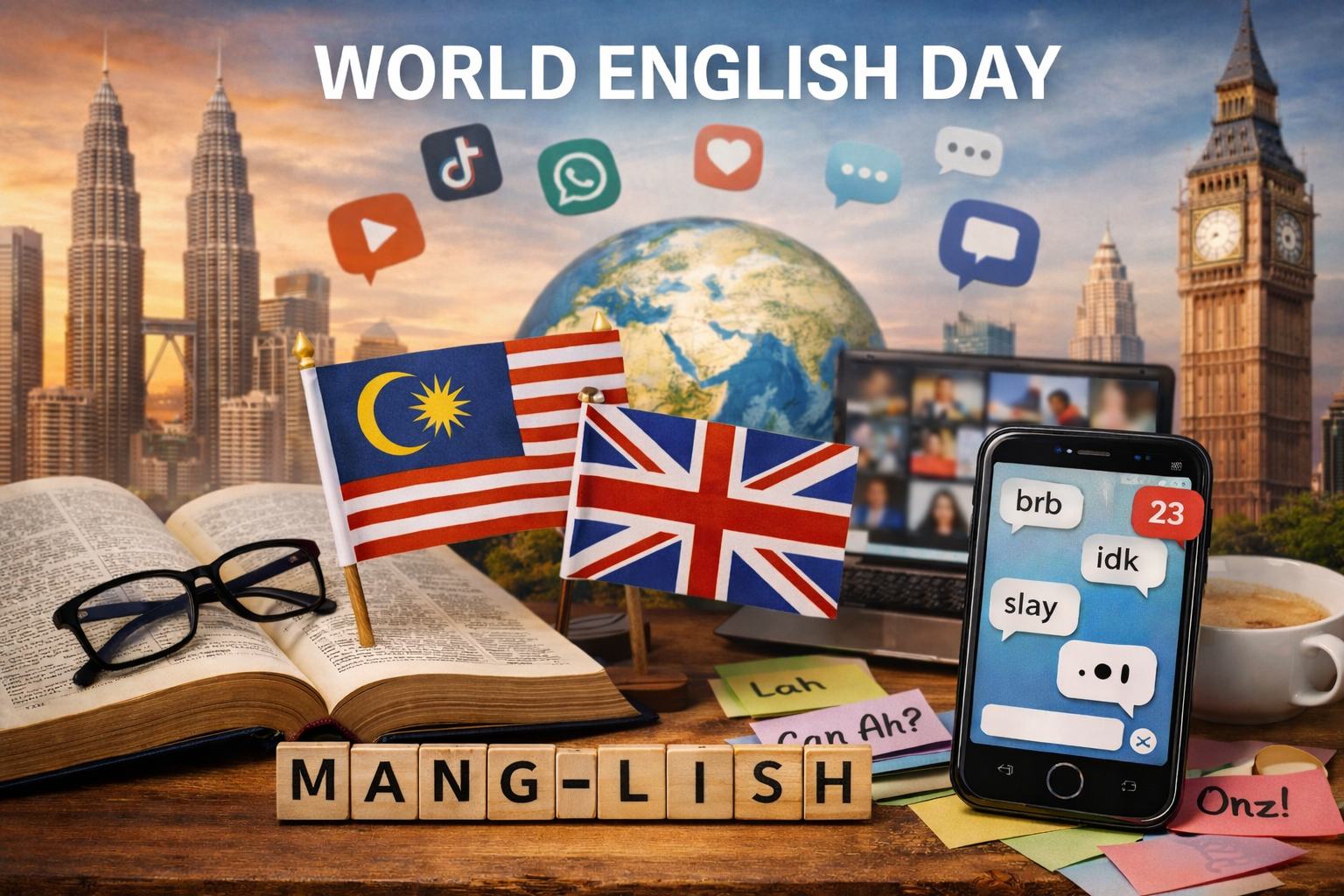
Such diversity has contributed to the expansion and development of English vocabulary within the Malaysian context. The language continues to evolve across various spheres of life, including everyday interactions and the education sector. Linguistic processes such as code-switching, as well as word formation mechanisms including abbreviation, borrowing, clipping, compounding, and other formations have played a crucial role in shaping contemporary Malaysian English. The word “Manglish” itself is derived from a combination of two main languages in Malaysia, Bahasa Melayu and English, “Malaysian English”. These developments clearly illustrate the adaptability and evolution of English in Malaysia as it responds to cultural and societal influences.
Influence of social media and new generation slang
In this world increasingly driven by social media, AI and cross-border collaboration, this has added to the volume of space English is expanding and continues to evolve. Not just in Malaysia, but across the world. The main contributor is mostly influenced by the rise of social media. Platforms such as TikTok, Instagram, Threads, and WhatsApp have now become central to communication to almost every group age. These digital mediums of communication have encouraged fast and informal communication, shaping the way English is spoken or written.
The social media users, especially the new generation, are creative and innovative in developing trends on these platforms to get more attention, interactions, engagements, and entertainment. By being creative, innovative and trendy is not just the source of entertainment but could help you gain popularity digitally. This has an impact on language wise as well where users will create new terms of words to get on trends by being creative. Among the noticeable changes is the increasing use of abbreviations such as “brb” (be right back), “fomo” (fear of missing out), “ctc” (contact), “oof” (out of stock), reflect where some words are shortened to save time, energy for a quick, fun, and efficient informal communication. Other than that, popular expressions like “slay”, “rizz”, “main character energy” or “you the birthday” have gained traction, particularly among the younger generation who are heavily influenced by global social media trends.
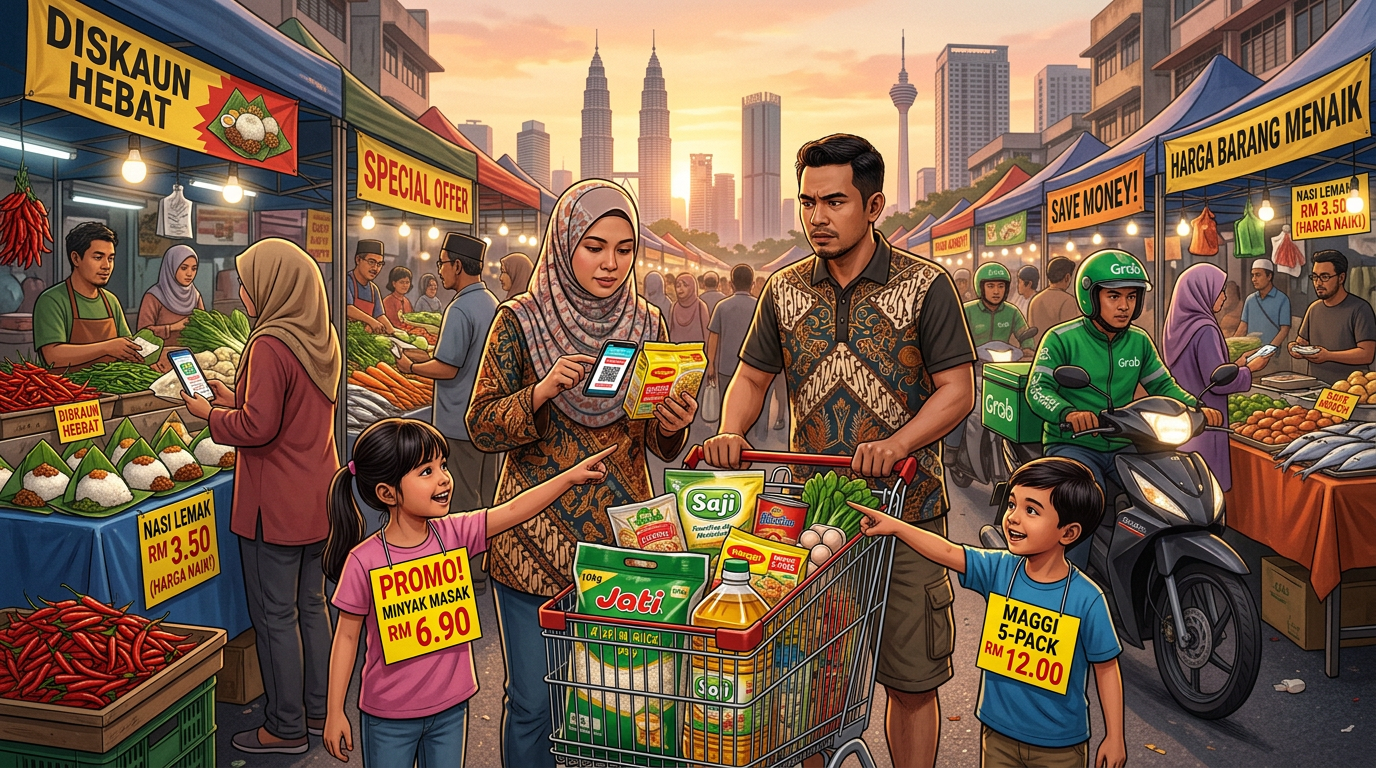
In Malaysia, these forms are often mixed with Manglish, which makes a unique way of communicating that combines global influences with local identity. Some educators are worried about how this kind of informal use will affect standard English, while others see it as a natural development of a language in a digital world.
The influence of social media highlights how English continues to adapt, reflecting both technological changes and the evolving communication styles of its users.
Celebrating world English day
As we celebrate World English Day on April 23 each year, this ongoing change in English is especially significant. The day shows how important English is as a language that connects people from different cultures. World English Day in Malaysia is not just about speaking “perfect” English, it is also about recognising how the language has shaped to reflect the country’s culture, identity, and creativity within Malaysian context or other parts of the world. The World English Day is not only a reminder of the global language’s role, but also as a reflection of its local relevance in a multilingual society. Even just in Malaysia, English is seen evolving in response to cultural influences, everyday communication practices, and the creativity of its speakers especially in this digital usage. On this World English Day, it becomes an opportunity to appreciate English as the current global language that unites people from across the country and the world as well as a flexible and dynamic language that reflects Malaysia’s cultural identity, diversity and linguistic creativity.

Shakina Shahlee
Centre for Language Studies
Universiti Tun Hussein Onn Malaysia (UTHM)