Malaysian diversity and unity
Malaysia’s multicultural society has been recognised by the world for its diversity in ethnicity while living harmoniously side by side. The Malays, Chinese, Indian and other ethnicities practice their religion and tradition but uphold togetherness during festive celebration.
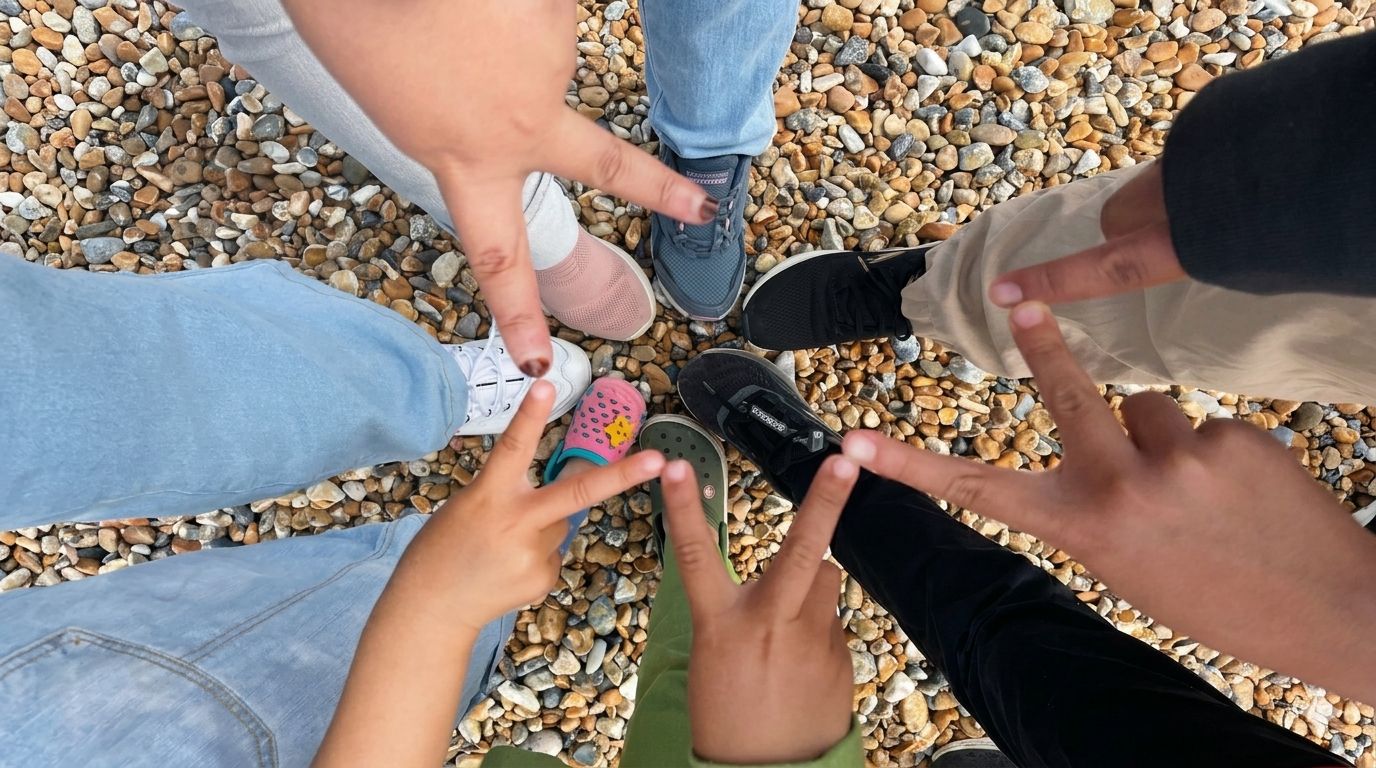
The focal concept of unity in diversity for Malaysians signifies harmony, coexistence and collaboration among individuals or groups with distinct cultural, language and religious backgrounds but celebrates uniformity and value diversity. This diversity and unity are evident in the way Malaysians celebrate festive seasons throughout the year.
Diversity in festive celebrations in Malaysia
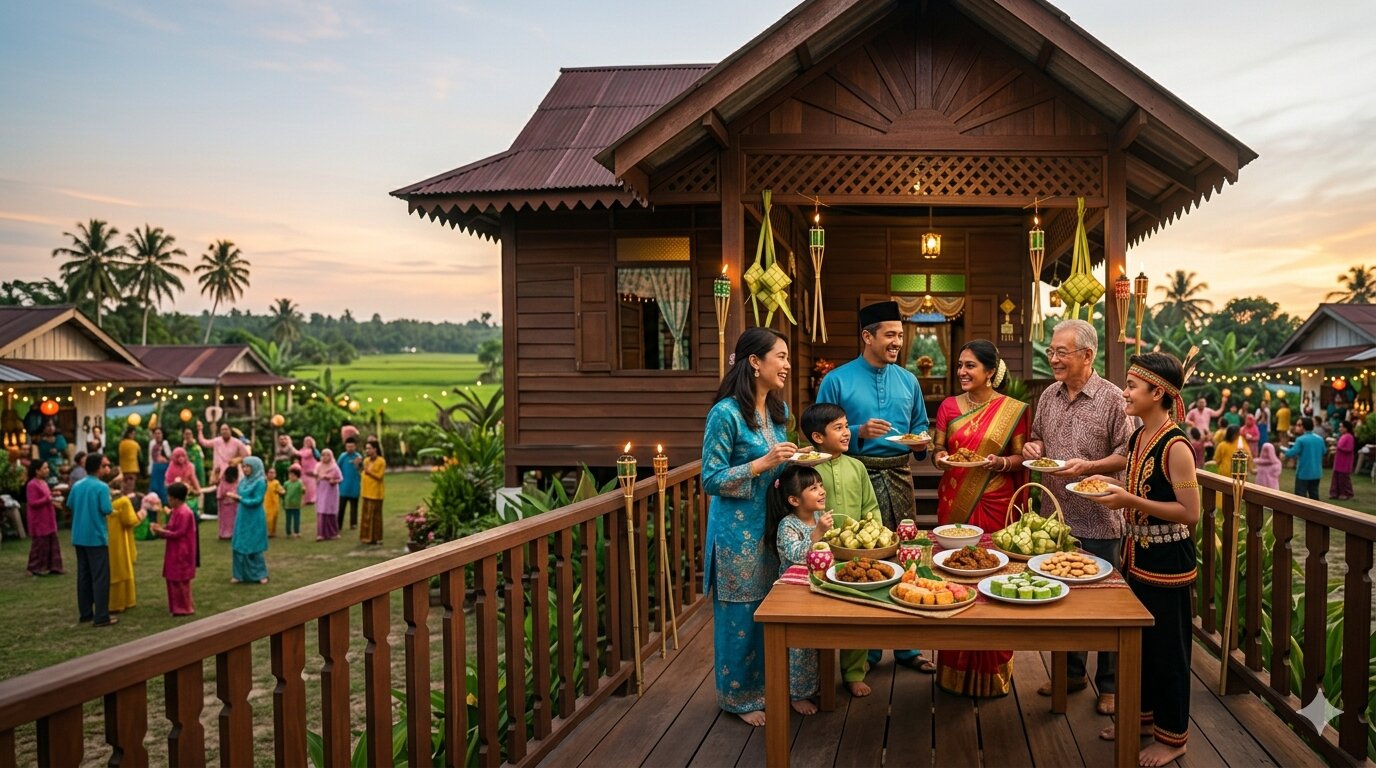
Malaysia’s festive calendar is filled with vibrant celebrations from its diverse communities, each offering a glimpse into unique traditions and beliefs. For a start, Hari Raya Aidilfitri is one of the most celebrated festive celebrations in Malaysia. It begins with Ramadan, the fasting month. The interesting part is, even the non-Muslims join their Muslim friends to fast because they want to immerse in what supposedly a religious matter to now becoming a culture. During Hari Raya, all Malaysians celebrate it by visiting friends and family, exchanging wishes of “Selamat Hari Raya Maaf Zahir dan Batin.”
Meanwhile, during the Chinese New Year celebrations, it is all about red and gold. It symbolises new beginnings, prosperity, and good fortune. Homes are decorated in red, lion dances fill the streets, and families gather for reunion dinners. A unique Malaysian tradition, the tossing of yee sang, involves participants expressing wishes for prosperity and often joined by friends from different ethnic groups. When visiting their Chinese friends, they will be served with mandarins and if you are lucky enough you will receive a hongbao or red envelope containing cash. The Chinese New Year wishes include, Gōng Xǐ Fā Cái and Xīn Nián Kuài Lè other than Happy Chinese New Year.
A festival of lights, that is the meaning of Deepavali that celebrates the triumph of light over darkness and good over evil. Hindu families decorate their homes with colourful kolam patterns and light oil lamps. Visitors are welcomed with sweets and traditional delicacies, reflecting the spirit of openness and joy. There is one particular traditional food that is associated with this celebration called muruku that can be enjoyed by most Malaysians. The celebration reflects warmth, openness and inclusivity, as Malaysians from all backgrounds celebrate it and exchange greetings like “Deepavali Nal Vazhthukkal.”
Another major festive celebration, Christmas that celebrated by Christians every year on the 25th of September but embraced widely across the nation with noticeable grandeur festive decorations. Christmas in Malaysia often includes open houses and gatherings where people of all backgrounds come together, sharing meals and exchanging wishes, like true Malaysians with diversified culture and tradition but still united to embrace the diversity.
Unity through shared traditions across cultures and tradition
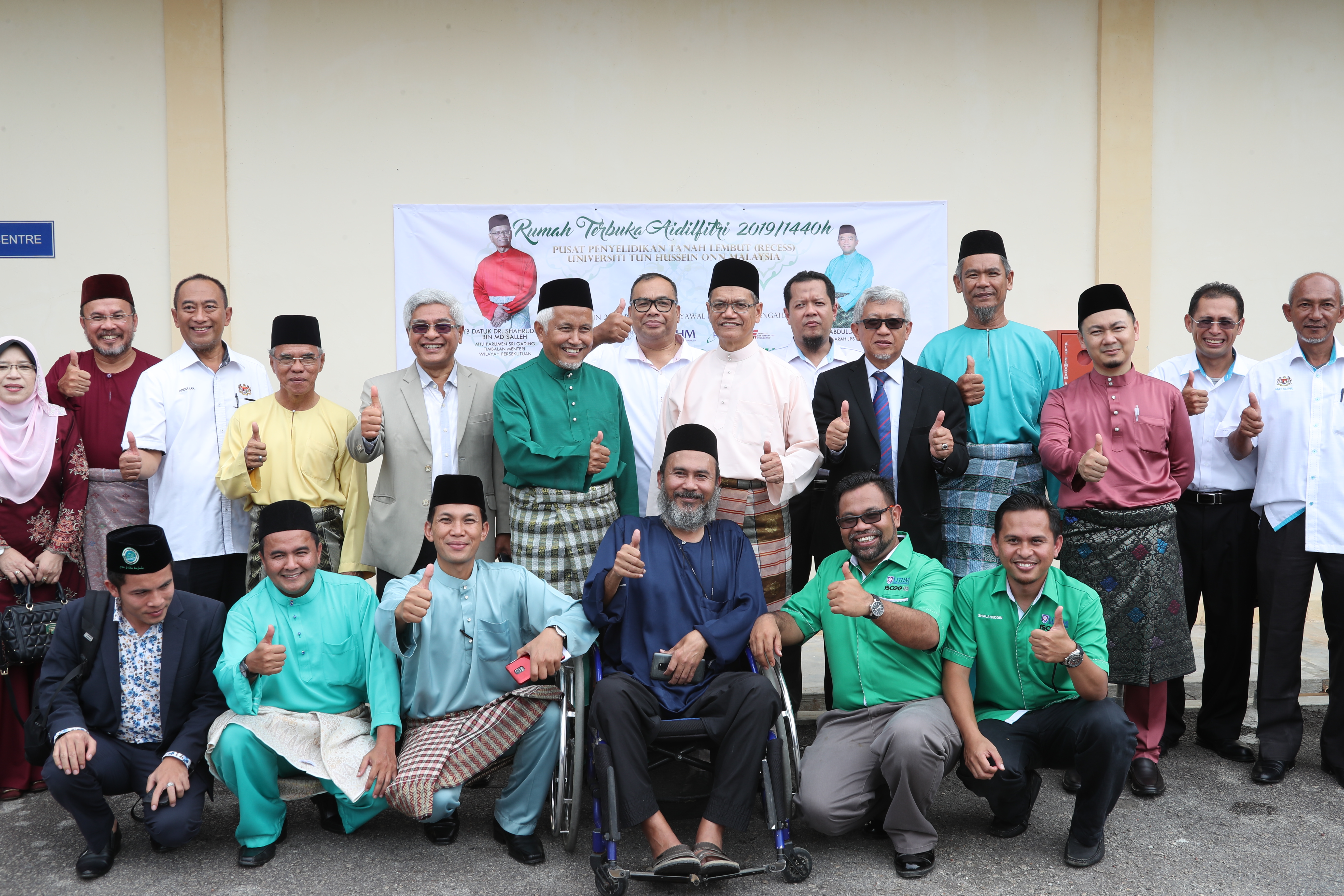
Malaysians express and share their traditions through practices like open house, food sharing and cultural exchange as a symbol of unity, for instance during Hari Raya, the Malays will host open houses and invited relatives, friends and neighbours from different cultural backgrounds.
Moreover, food also serves as a powerful way to bring people together. Malaysians enjoy bonding over meals and each celebration is known by their signature dish. For example, lemang and rendang are commonly served during Hari Raya, while yee sang and dumplings are enjoyed during Chinese New Year, while muruku and ladoo during Deepavali. Through sharing and experiencing these foods, people gain a deeper appreciation of different cultural traditions.
The role of festivities in strengthening unity
Festive celebrations are vital in strengthening unity among Malaysians. People build their relationship with others through social bonding as they interact with individuals from different cultural backgrounds, allowing them to explore and better understand the depth of cultures. Such interactions naturally bring people closer together especially when they spend time sharing moments during festive celebrations.
Additionally, festivities help break down cultural barriers. By experiencing different celebrations, people can learn to appreciate and embrace each other’s culture. They become familiar with diverse ways of giving festive greetings and the customs behind each celebration.
Beyond that, they also gain a deeper understanding of the meaning and significance of these occasions, which broadens their knowledge and encourages mutual respect. Overall, festivities not only create joyful moments but also serve as a platform for unity, where cultural differences are celebrated.
In conclusion, unity is one of the prominent aspects of Malaysia. Being a truly diverse country with people from various cultural backgrounds, unity is what brought us together. It is a national identity that has been implemented in each individual. More than just a concept, it has become a shared national identity, reflected in everyday interactions, traditions, and celebrations. As Malaysians continue to embrace one another’s cultures, unity stays as the foundation that shapes a harmonious and resilient society.
Fazita Md Tab
Senior lecturer
Centre for Language Studies
Universiti Tun Hussein Onn Malaysia (UTHM)

Hurul Ain Kusiar
Industrial Training Student UiTM, Shah Alam
Marketing and Corporate Communication Office, UTHM