Parenting is often celebrated through the lens of joyous milestones, a child’s first steps, the pride of their first school performance, the warmth of their laughter filling a home. But behind these beautiful moments, many Malaysian families live a reality that is far less visible. Parenting today is not only about nurturing love and guiding growth; it is also about carrying heavy burdens that press against the heart and test the spirit. Beneath the smiles, countless parents are fighting quiet battles against financial strain, emotional exhaustion, and societal expectations that are often too high to bear.
The rising cost of raising a family
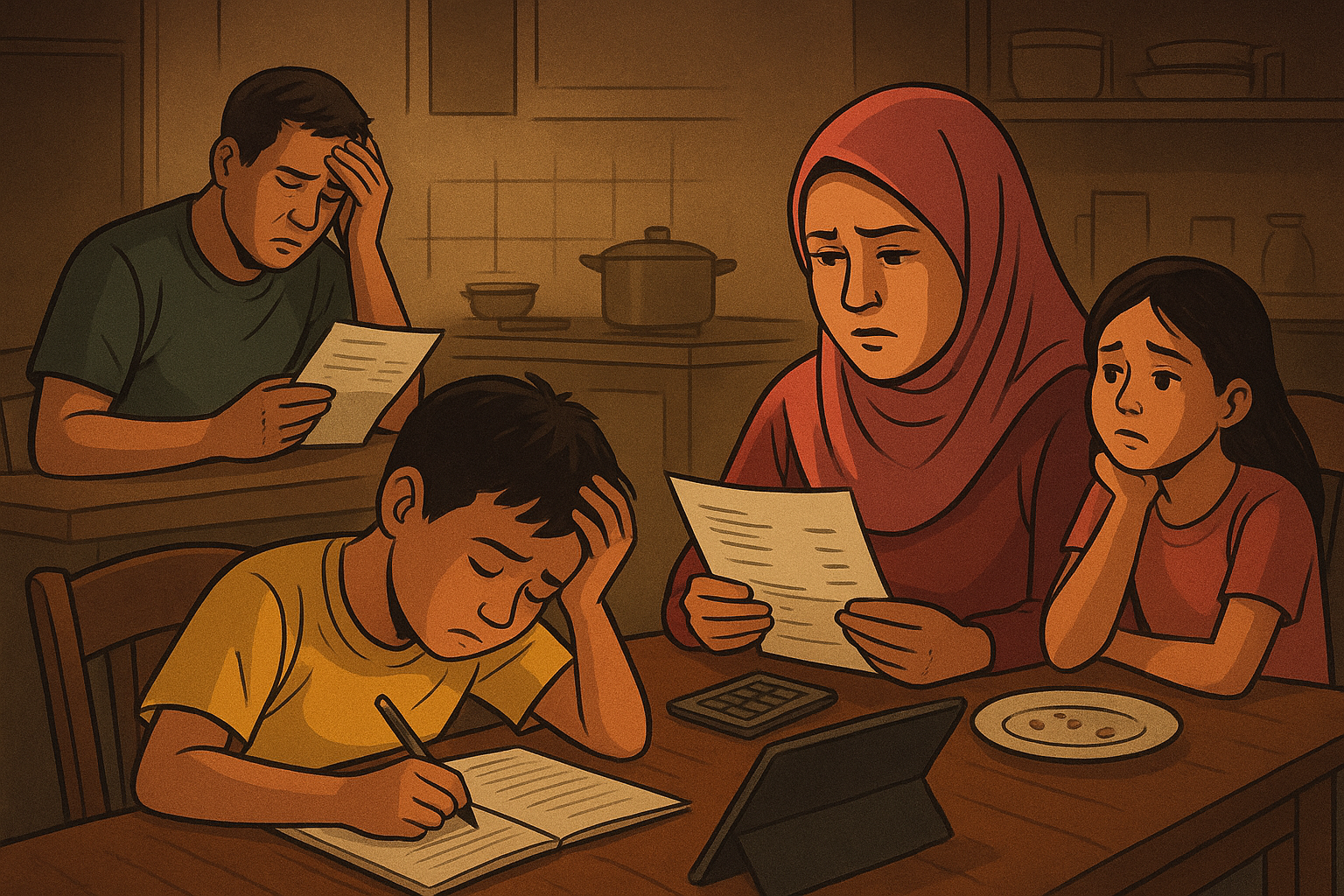
Picture this: a mother standing at the kitchen counter late at night, calculator in hand, trying to stretch every ringgit so the family can survive until the next paycheck. School fees, groceries, rent, and medical bills pile up relentlessly, and the worry of “what if something unexpected happens” never truly fades.
Many mothers leave their jobs to shoulder full-time caregiving, further tightening household finances. Fathers often take on additional work, returning home late at night with aching bodies and weary minds, only to rise again at dawn to repeat the cycle. In poorer states such as Kelantan, Kedah, and Perak, these struggles are magnified. Parents sometimes must choose between nutritious meals or school supplies, between paying rent or seeking medical treatment. Joy becomes overshadowed by the daily scramble to simply survive.
Mental health: The silent struggle
Research has revealed that nearly 42.5% of Malaysian parents with children between five and fifteen experience some form of mental health difficulty. Mothers, especially, are vulnerable. The endless cycle of caregiving, homemaking, and during the pandemic, home teaching has left many drained and quietly breaking down behind closed doors.
Parents of children with disabilities often face even greater challenges. Therapy and special education services, while essential, are priced beyond the reach of most families, ranging from RM 4,000 to RM 10,000 per month. These parents must wrestle not only with financial despair but also with the fear that their children may never receive the care and opportunities they deserve. The result is a dangerous cocktail of emotional exhaustion, guilt, and despair, often endured in silence.
Parenting in a digital world
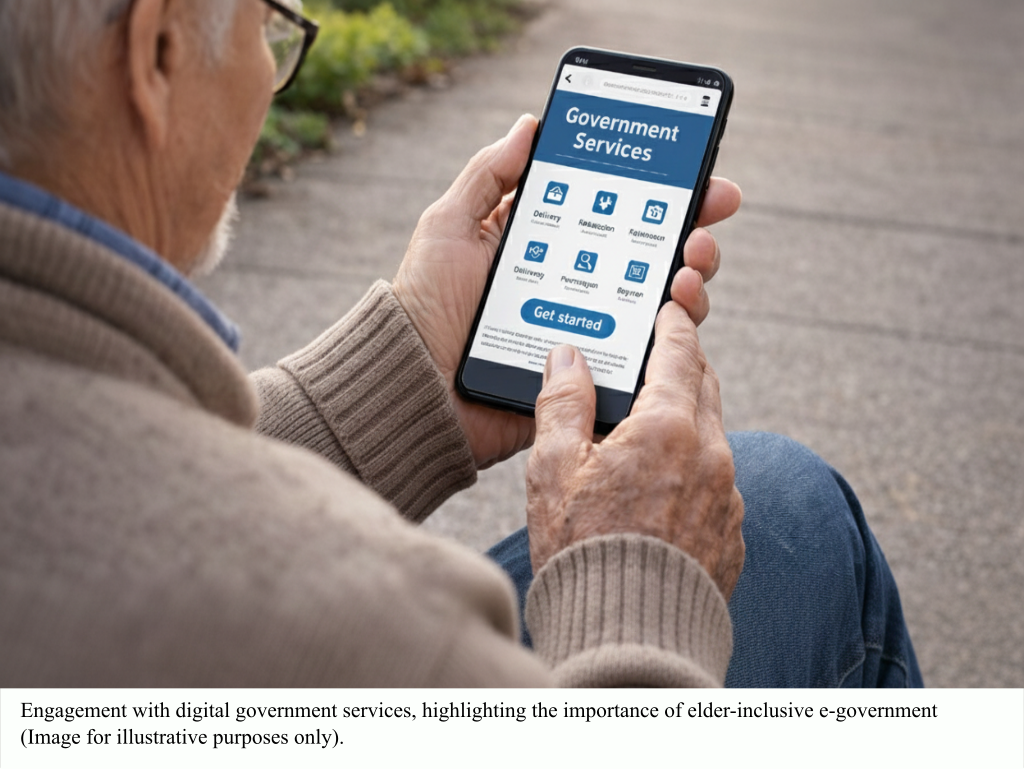
On top of financial and emotional struggles, the modern parent faces a new battlefield: the digital world. Almost every Malaysian parent worry about their child’s screen time, exposure to harmful content, and vulnerability to cyberbullying. Smartphones and tablets, once considered luxuries, have become unavoidable parts of childhood.
Caught between wanting to protect and needing to trust, parents often feel powerless. Too much restriction risks pushing children away, but too much freedom leaves them exposed to dangers that lurk online. This balancing act is exhausting, forcing parents to constantly second-guess their choices.
Tradition versus modernity
Parenting in Malaysia is also shaped by deep cultural expectations. Mothers, in particular, are often expected to embody the role of the “perfect caregiver,” even if it means sacrificing careers, ambitions, or personal well-being. This invisible standard weighs heavily, discouraging parents from reaching out for help when they are overwhelmed.
And yet, change is stirring. Across WhatsApp groups, Facebook pages, and community circles, parents are creating new “villages” of support, sharing advice, offering shoulders to lean on, and finding strength in solidarity. Tradition still casts its shadow, but modern networks of care are lighting a new path.
A generation rethinking parenthood
Perhaps the most telling sign of these struggles is the shifting outlook of Malaysia’s youth. Increasingly, young adults are hesitant to start families, haunted by questions of financial insecurity, global instability, and the moral dilemma of bringing a child into an uncertain world. Malaysia’s birth rate has dropped by more than 10 percent in recent years, as many choose smaller families or no children at all.
For some, the question is haunting: “How can I raise a child when I am not sure I can give them a hopeful future?” This hesitation reflects not selfishness but a deep awareness of the immense responsibility and pressure that parenthood carries in today’s Malaysia.
Children: The silent witnesses
When parents struggle, children feel it, even if they cannot always articulate it. The stress of financial hardship, the silence of emotional strain, and the weight of high expectations filter into young hearts. Some children respond with resilience, while others quietly suffer, masking their distress with smiles or academic achievement.
This hidden pain calls for urgent attention. Creating safe spaces for children to express themselves and ensuring parents receive the emotional and practical support they need is not only a family matter but a societal one. The mental and emotional well-being of children today will shape the nation’s future.
Where do we go from here?
The struggles of Malaysian parents are neither small nor isolated; they are collective challenges that demand collective solutions. Strengthening financial support systems, making childcare affordable, and expanding access to mental health services must become national priorities. Workplaces must also play their part, offering flexibility and policies that promote gender equality in caregiving, allowing mothers and fathers alike to share responsibilities fairly.
Equally important is the role of communities. Parenting need not be a solitary journey. Local support groups, whether online or offline, can become lifelines of encouragement and shared wisdom. Meanwhile, investment in digital literacy programs can help parents and children alike face the online world with confidence and safety.
Policy innovation, too, will play a crucial role. Laws such as the proposed Maintenance of Parents Act hint at a growing recognition of the importance of family care, but they must be matched with social policies that genuinely empower parents to thrive.
Conclusion
Parenting in Malaysia today is a story of love entangled with sacrifice, of quiet resilience shadowed by hidden pain. Parents are asked to do so much, often with too little. Their struggles are not always visible, but they are real, pressing, and deeply human.
To honour these struggles is to recognize that parenting is not a burden to be carried alone. It is a journey that must be supported by families, communities, workplaces, and the nation itself. If Malaysia can rise to this challenge, parenting may once again be seen not as a quiet battle for survival, but as a shared journey of growth, joy, and love, one that nurtures both parents and the future generation they raise.

Hairunnisa Ibrahim
Language Teacher
Department of English Language and Linguistics
Centre for Language Studies
Universiti Tun Hussein Onn Malaysia