
“buruh, nelayan, dan juga petani… gaya hidup kini dah berubah.”
These familiar lyrics from Keranamu Malaysia echoed through the room one afternoon as my friends and I sang them in unison. In that moment, the song took on a new meaning. It was not just a patriotic tune we learned in school; instead, it became a touching reminder of how our differences come together to form a unified Malaysian identity.
I am fortunate to call two of my closest friends, individuals who come from Indian and Chinese heritage. Despite our different upbringings, values, and traditions, our friendship reflects something greater. The power of unity in diversity reflects something that the United Nations promotes through the International Day of Friendship. Our story may be personal, but the message it carries is universal. Meaningful connections can flourish when respect, openness, and shared experiences bring people together.
The harmony concealed in our differences
Malaysia is often celebrated as a multicultural nation, home to three major ethnic groups, Malay, Chinese, and Indian, as well as diverse indigenous communities such as the Orang Asli, Kadazandusun, and Iban. Long before independence, people of different races worked side by side under colonial rule. When Malaysia gained its freedom from the British, that shared struggle became a foundation for unity, a reminder that strength lies not in similarity but in solidarity.
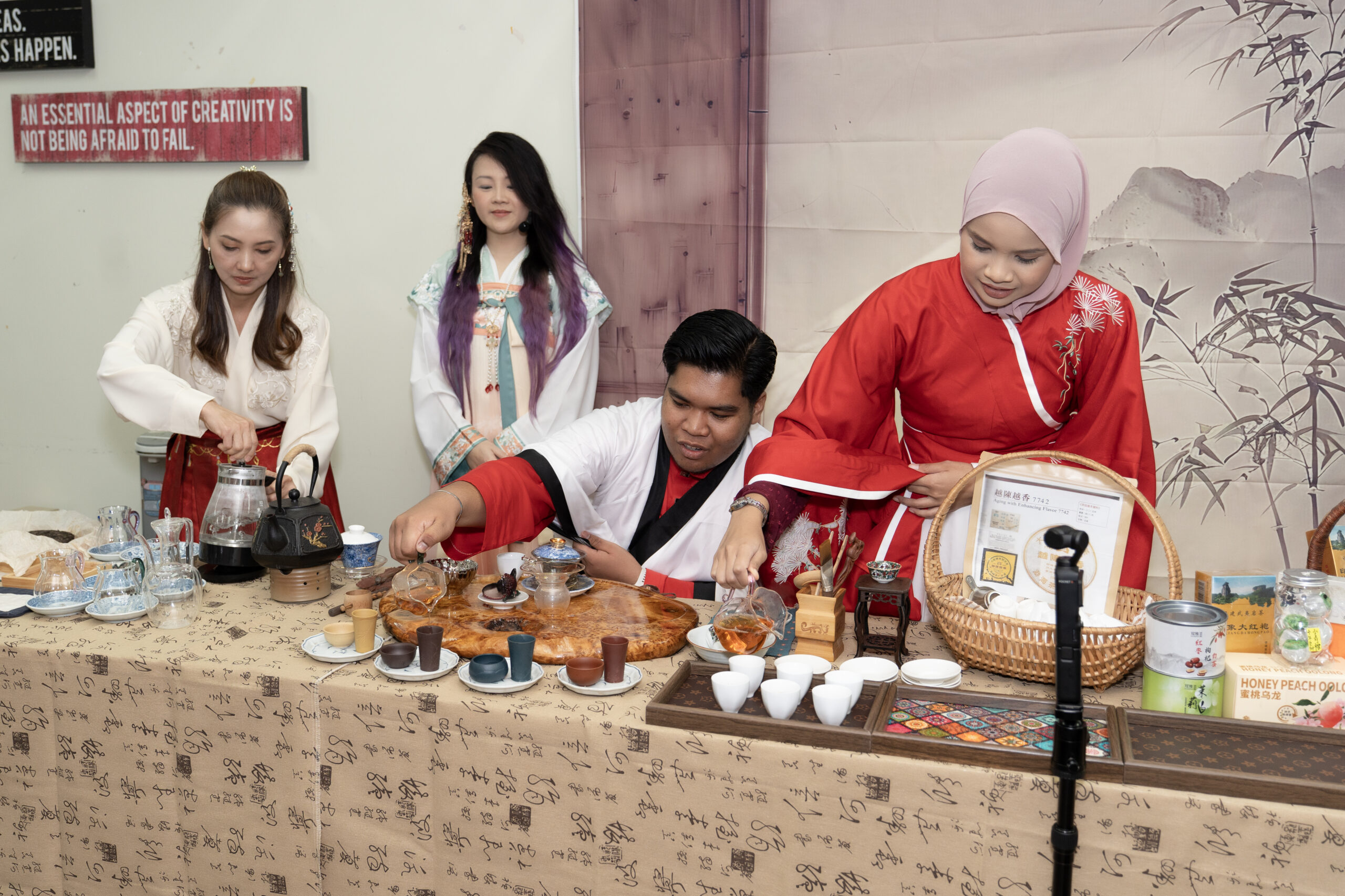
Our rich cultural diversity makes Malaysia distinct and memorable to the world. While each group has its customs, taboos, and traditions, we grow up learning to respect and embrace these differences. Instead of constantly searching for what makes us the same, we learn the value of the differences that bring us together. In friendship, just like in society, we complement each other, looking at how Malaysians of all backgrounds come together to celebrate one another’s festivals, whether by visiting Ramadan bazaars, exchanging greetings during Chinese New Year, or enjoying the lights and joy of Deepavali.
These shared celebrations are more than just traditions; they are acts of connection. Schools play a central role by promoting cultural understanding through festive programs, while parents contribute by enrolling their children in national schools where friendships across cultures naturally form. Everyone, including families, educators, and individuals, plays a significant role in nurturing a society built on harmony and mutual respect. Despite the occasional challenges, we continue to learn how to see each other not as strangers, but as fellow Malaysians.
More than friends, a chosen family
Like many others, friendship began in the most unexpected way, whether it is through shared classes, group projects, or student activities. Often, it starts with a simple gesture, a common interest, or a small conversation. No one truly knows how a friendship will unfold or the impact it will leave on one’s life. For me, it was our differences that brought us closer. Despite coming from Malay, Chinese, and Indian backgrounds, we naturally became each other’s closest companions.
One of the first ways we learned to care for each other was through food, a simple, daily choice that required consideration. When deciding where to eat, we would always avoid places that served non-halal meals, so everyone could dine together comfortably. Likewise, we skipped restaurants that only served beef, out of respect for my Indian friend who refrains from eating it. What may seem like small acts of compromise were actually powerful signs of mutual respect and understanding.
More than just dietary preferences, these decisions showed how deeply we valued one another. As students, we also keep in mind matters like affordability, service quality and portion sizes and value, besides always discussing and deciding on places that are accessible to all. True friendship means more than just having fun together; it means being seen, understood, and supported, even in the smallest ways.
Interestingly, food became our first step in learning about each other’s cultures and beliefs. What started at the cafeteria table expanded into conversations about family, traditions, and religion. This is what “Do Re Mi Friendship” truly means to us. It is a metaphor that captures how our differences do not separate us, instead, complete one another. Just like the musical notes in a familiar tune, each of us brings something unique to the harmony. “Do,” “Re,” and “Mi” may sound different on their own, but together, they create the beginning of a beautiful melody, one that would not exist without every single note.
Our friendship reflects the same rhythm. We come from different races, cultures, and faiths — Malay, Chinese, and Indian — and yet, we have learned to move in tune with one another, in understanding and respect. In a society as diverse as Malaysia, this kind of friendship is not just special, but essential. It teaches us that unity is not about sameness, but about listening closely to the distinct voices that make the whole song meaningful.
As we come together on 30 July to celebrate International Friendship Day, a cherished occasion gazetted by the United Nations, let us honour the bonds that unite us. May every friendship sing a tune of unity in diversity. Happy Friendship Day!
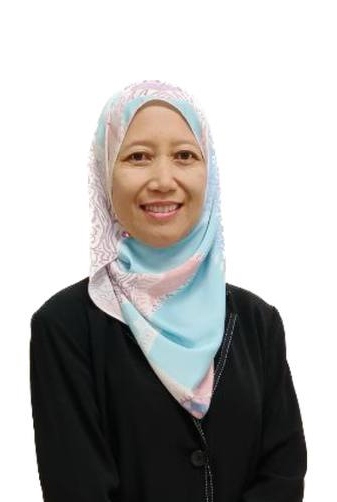
Assoc. Prof. Dr. Sazuliana Sanif,
Deputy Dean (Academic & Students)
Centre for Language Studies
Universiti Tun Hussein Onn Malaysia
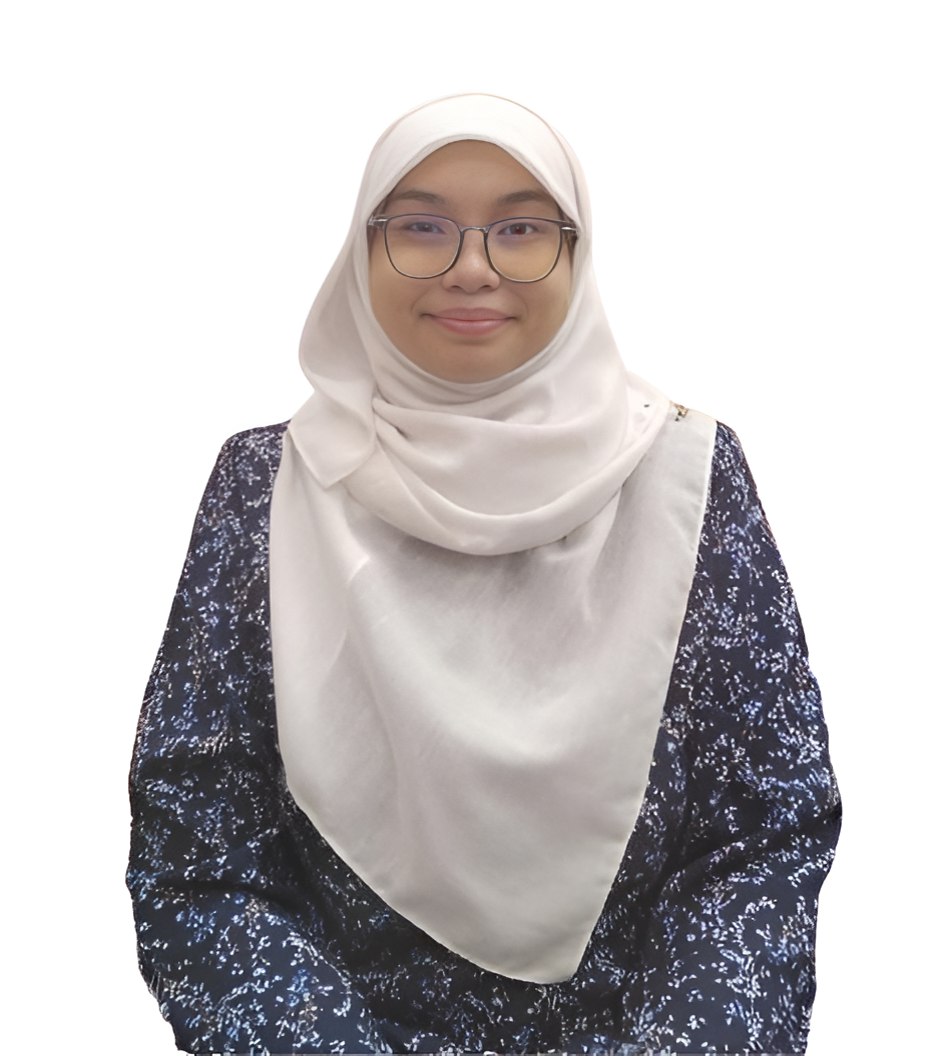
Ainaa Syahirah Mohd. Norihan
Currently an Intern Student at the Centre for Language Studies, UTHM
From Faculty of Social Sciences and Humanities,
Universiti Kebangsaan Malaysia