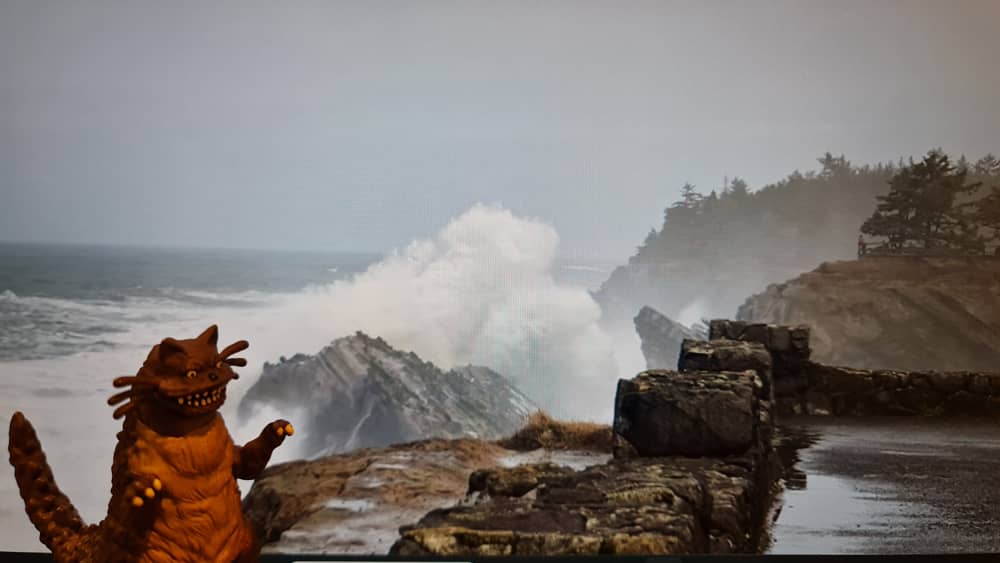
Recently, The Malaysian Civil Defence Forces in Melaka have stepped up preparations ahead of the expected king tide – an exceptionally high tide caused by the alignment of the earth, moon and sun. With 382 evacuation centres ready and a full fleet of boats, ambulances and rescue vehicles on standby, authorities are preparing for potential flooding during the north-east monsoon. This heightened alert underscores how king tides can worsen flooding and overwhelm drainage in low-lying coastal areas.
How king tides happen
King tides are naturally occurring extreme high tides that happen when the Earth, Moon and Sun align in a way that increases the gravitational pull on the oceans. This usually occurs during full or new moons, and their effects are most noticeable in coastal areas. In Malaysia, low-lying states such as Melaka, Selangor and Penang are particularly vulnerable due to their flat coastal topography and extensive river estuaries. While king tides are natural, they can be amplified by other factors such as seasonal monsoon winds, sea-level rise and of course, climate change. Essentially, king tides temporarily raise water levels beyond the typical high-tide mark, making even ordinary coastal infrastructure susceptible to flooding.
Impacts on communities and infrastructure
The effects of king tides extend beyond just water reaching higher than usual. Flooding from these events can overwhelm drainage systems, erode riverbanks and destabilise soil in vulnerable areas. From a geotechnical engineering perspective, saturated soils lose strength and become prone to settlement or even collapse under the weight of structures. Coastal roads, embankments and buildings constructed on reclaimed land are particularly at risk. In Malaysia, repeated exposure to king tides has been reported to severely damage small-scale infrastructure such as piers, seawalls and drainage outlets. Additionally, prolonged flooding can contaminate freshwater resources, increase salinity in agricultural soils and create hazardous conditions for local communities, making evacuation and rescue operations necessary.
Riding the king tide: Sustainable coastal protection
While traditional flood barriers like concrete seawalls are still used, modern approaches are increasingly nature-centric and sustainable, aligning with the UN Sustainable Development Goals (SDGs). Geotechnical engineers are now teaming up with environmental experts to design solutions that protect communities without harming the environment.
Green engineering at work
Mangroves are frontline defence along Malaysia’s coasts. Their dense, interlocking roots trap sediments, reduce erosion and dissipate wave energy, acting as natural soil stabilisers. From a geotechnical perspective, mangroves improve soil shear strength, which is a measure of how well soil can resist sliding or collapsing under weight. This helps protect nearby structures from settling or shifting during flooding. Another innovative technique is bioengineering, which uses living plants, coir logs and other biodegradable materials to reinforce slopes and embankments. Unlike traditional concrete walls, bioengineered slopes adapt to changing water levels, retain moisture and gradually build soil cohesion, i.e. the “stickiness” that holds soil particles together, while supporting local biodiversity and natural habitats.
Urban areas also benefit from smart, nature-based engineering. Permeable pavements allow rainwater and tidal overflow to soak into the ground rather than overwhelm drains, reducing surface flooding. Constructed or preserved wetlands act as temporary reservoirs, slowing water flow and protecting downstream soils from erosion. Geotechnical engineers assess soil compaction (how densely soil particles are packed), bearing capacity (the soil’s ability to support structures), and moisture content to ensure foundations remain stable even during extreme tides. By combining ecological wisdom with these geotechnical principles, engineers can create resilient, self-reinforcing coastlines that adapt naturally to environmental changes.
Communities in action
Engineering solutions alone cannot fully protect coastal areas from king tides. Community preparedness is equally crucial. Early warning systems track tidal levels, weather patterns and potential storm surges, giving residents advance notice to take action. Evacuation protocols, drills and public education programmes help communities understand which areas are most vulnerable and how to respond safely. These programs also explain the protective role of natural features such as mangroves, wetlands and reinforced embankments, highlighting how they stabilise soils, reduce erosion and absorb water energy.
Policy, planning, and technology
It is worth noting that engineering and community action are most effective when supported by strong policies, strategic urban planning and technological monitoring. Local governments can implement zoning laws that prevent construction in flood-prone areas, incentivize the use of permeable surfaces and protect wetlands and mangrove zones. These integrated coastal management plans ensure that infrastructure, natural ecosystems and human settlements coexist sustainably.
Adoption of relevant technology also plays a key role. Real-time tide and weather monitoring systems, GIS mapping of vulnerable zones, as well as predictive flood modelling allow authorities and communities to predict king tide impacts and respond proactively. Furthermore, geotechnical engineers can use these data-driven insights to plan foundation reinforcement, slope stabilization and drainage improvements with higher precision, reducing risk to infrastructure and lives.
By combining engineering, community action, and policy-driven, tech-supported planning, Malaysia can achieve a holistic approach to coastal resilience: Simultaneously protecting soils, infrastructure, ecosystems and communities while advancing sustainable, nature-based solutions.
Riding the tide forward
King tides may rise, but with nature, science and communities on our side, Malaysia’s coasts will be ready – proving that with foresight, collaboration and a nature-centric approach, the nation’s shores can face these giant waves with confidence and resilience.
Rising tides, resilient coasts- Game on, Malaysia!

Prof. Ir. Dr. Chan Chee Ming
Faculty of Engineering Technology
Principal Researcher
Research Centre for Soft Soils (RECESS)
Universiti Tun Hussein Onn Malaysia