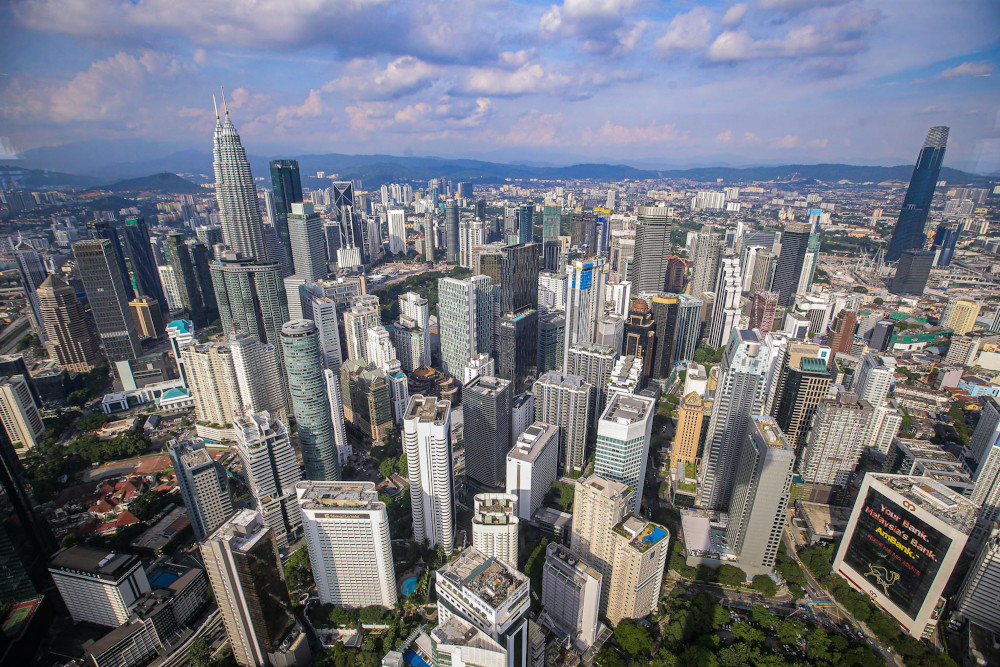
The Malaysian government has proposed Urban Renewal Bill is generating significant public debate, as to modernise ageing cities and rejuvenate underdeveloped urban areas. At the heart of the discussion lies a sensitive question: how to balance the public interest in urban transformation with the private rights of property owners who may be directly affected by redevelopment initiatives.
Urban renewal has been a long-standing priority in Malaysia, particularly as rapid urbanisation places pressure on infrastructure, housing, and land resources. In many cities, older residential and commercial areas are facing decay, traffic congestion, and limited access to public facilities. These challenges, combined with fragmented land ownership patterns, have slowed redevelopment efforts. The Urban Renewal Bill aims to create a clear legal framework to address these issues, streamlining the process for developers and state authorities to initiate large-scale urban renewal projects.
Concerns over private property rights
Despite its ambitious goals, the bill has sparked concerns among landowners, legal practitioners, and civil society groups. The prospect of compulsory land acquisition, even with compensation, remains a sensitive topic in Malaysia, where property ownership is deeply tied to financial security, heritage, and family legacy.
The bill must clearly define the circumstances under which compulsory acquisition may be exercised, as well as ensuring fair market compensation and a transparent appeals process. “Property rights are constitutionally protected under Article 13 of the Federal Constitution, which stipulates that no person shall be deprived of property except under the law and that adequate compensation must be provided. Any urban renewal initiative must therefore comply with these constitutional safeguards to ensure that redevelopment is carried out lawfully and fairly, without undermining the rights of property owners.
Civil society organisations have also called for safeguards to prevent abuse of power and to ensure that urban renewal projects genuinely serve public interests rather than solely benefiting private developers. Critics warn that without strict guidelines, the bill could unintentionally fuel gentrification, pushing out low-income residents from redeveloped areas.
Learning from international models
Malaysia is not alone in addressing the challenges of urban renewal, as many countries have developed comprehensive laws to balance public needs with private property rights. Singapore, South Korea, and Japan offer notable examples of how urban redevelopment can be achieved effectively while safeguarding ownership rights. Singapore’s Urban Redevelopment Authority (URA), for instance, has implemented a structured framework that includes land pooling arrangements, clear compensation mechanisms, and policies that encourage voluntary participation from property owners.
This approach has enabled large-scale redevelopment projects with minimal legal disputes, while also ensuring fair treatment of stakeholders. South Korea and Japan have similarly introduced transparent planning systems, strong regulatory oversight, and incentives for private sector involvement. The proposed Malaysian Urban Renewal Bill appears to draw lessons from these models, prioritising negotiation, consensus-building, and voluntary participation before compulsory acquisition. By adopting international best practices, Malaysia aims to reduce resistance, promote fairness, and accelerate sustainable urban transformation.
Economic and social implications
If implemented effectively, the Urban Renewal Bill could bring significant economic and social benefits. Urban renewal often drives property value appreciation, improves access to public amenities, and creates new job opportunities. Revitalised neighbourhoods can also enhance quality of life, reduce urban blight, and improve public safety.
However, urban renewal must go beyond physical infrastructure. Social considerations, such as community cohesion, cultural preservation, and affordable housing, should also be central to the redevelopment process. Urban renewal initiatives are expected to go beyond economic development by incorporating provisions that protect vulnerable communities, safeguard cultural heritage, and promote inclusivity in planning and implementation.
Public engagement: The key to success
Public engagement will likely be one of the bill’s most crucial features. Involving residents in decision-making, from early planning stages to project completion, is essential for fostering trust and reducing conflict. This participatory approach aligns with the government’s broader urban development agenda, which emphasises transparency, accountability, and sustainability.
By creating channels for dialogue and feedback, the bill seeks to ensure that urban renewal projects reflect the aspirations of communities rather than being imposed upon them. Successful engagement could also encourage private property owners to collaborate with developers, potentially reducing the need for compulsory acquisition.
A balancing act for Malaysia’s urban future
As Malaysia positions itself for future growth, the Urban Renewal Bill represents an opportunity to transform neglected urban areas into thriving hubs of economic activity and cultural vibrancy. Yet, the government faces a delicate balancing act: fostering development while protecting constitutional property rights.
The stakes are high. Cities like Kuala Lumpur, Penang, and Johor Bahru are already facing challenges of congestion, ageing infrastructure, and limited land availability. Without a robust legal framework, efforts to revitalise these areas may continue to stall. On the other hand, a poorly implemented law could erode public trust and spark backlash from property owners.
For now, all eyes are on Parliament as the Urban Renewal Bill moves closer to being tabled. Policymakers will need to weigh competing interests carefully, ensuring that redevelopment serves both the nation’s economic goals and the rights of its citizens. If done right, this bill could set a new standard for urban planning, creating cities that are not only modern but also just and inclusive.

Dr. Nur Yuhanis Ismon
Senior Lecturer
Department of Real Estate Management
Faculty of Technology Management and Business
Universiti Tun Hussein Onn Malaysia