
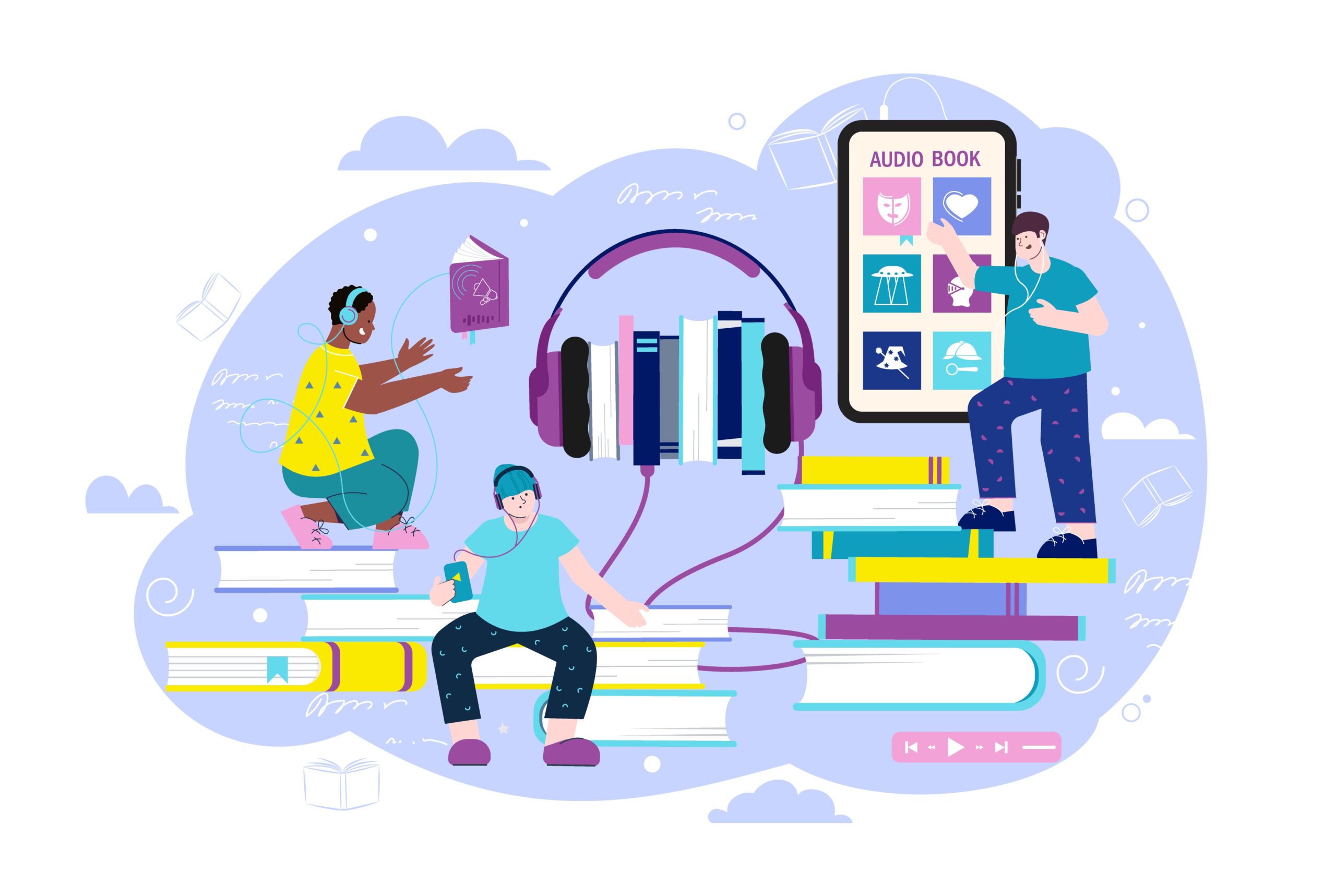
As the world continues to advance into the digital age, the integration of technology into education has become more critical than ever before. In Malaysia, where the education system is continuously evolving, there is a growing emphasis on enhancing digital literacy among students. This shift not only reflects the technological advancements of the 21st century but also responds to the increasing demand for digital skills in the workplace.
For English language education, digital literacy offers a unique opportunity to enrich learning experiences and bridge the gap between traditional methods and modern needs. Digital literacy is more than just the ability to use digital tools; it encompasses a broad range of skills, including navigating online platforms, critically evaluating digital content, and using technology to communicate effectively. Educational institutions in our country are increasingly integrating digital literacy into their curricula, with particular focus on the ways technology can enhance learning outcomes. Adopting such tools within English language instruction can significantly contribute to improving students’ communication skills, critical thinking, and digital competency, all of which are essential in today’s workforce.
The recent push for a more digital-oriented approach in English language teaching has included the use of e-learning platforms, digital textbooks, and interactive language games.
Incorporating digital literacy into English language education offers numerous benefits, which are:
1. Enhancing student engagement
Traditional English language classes often rely on static textbooks and face-to-face interactions, which can struggle to engage today’s tech-savvy generation. Digital tools, such as mobile apps, video-based learning, and interactive websites, allow students to engage with English in dynamic ways. These tools make learning fun, interactive, and accessible anytime and anywhere, encouraging self-paced learning and continuous improvement.
2. Improving language proficiency
Digital tools such as language learning apps (e.g., Duolingo), online grammar checkers (e.g., Grammarly), and interactive writing platforms (e.g., Google Docs) provide students with instant feedback and personalised learning experiences. These tools enable students to practice language skills beyond the classroom, reinforcing lessons and helping them develop a deeper understanding of English grammar, vocabulary, and pronunciation.
3. Promoting collaborative learning
Digital platforms also encourage collaborative learning. Platforms like Google Classroom, Padlet, and Slack allow students to interact with peers, share resources, and participate in group projects. This collaboration not only enhances their language skills but also builds teamwork and communication abilities, which are essential in both academic and professional settings.
4. Developing critical thinking and digital citizenship
In addition to language acquisition, digital literacy helps students develop essential skills for critical thinking and digital citizenship. Students are encouraged to evaluate sources of information, engage in online discussions, and use technology responsibly. These skills are vital for students to navigate the complex digital landscape and to become active, informed participants in the global society.
As the world continues to evolve digitally, Malaysia’s education system must adapt to prepare students for the demands of the future. Integrating digital literacy into English language education is a critical step in this process, offering students the opportunity to enhance their language skills and develop the technological competence necessary to thrive in a digital world.

Lina Zainal
Centre for Language Studies (CLS)
Universiti Tun Hussein Onn Malaysia (UTHM)