
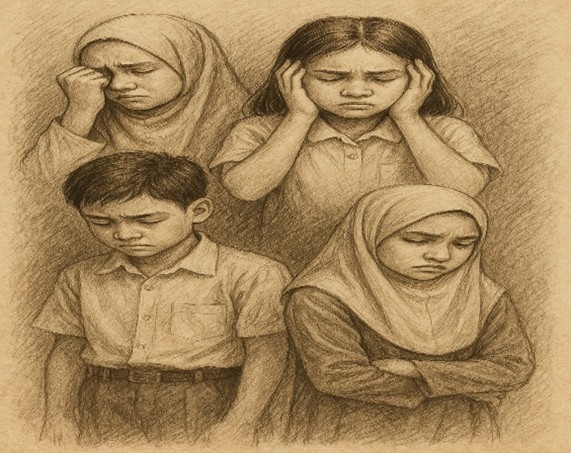
When Warnings Go Unheard
A teenager recently lost her life after falling from a dormitory floor. In another deeply troubling case, a 13-year-old girl was found restrained and left in a school toilet. Both were reportedly victims of bullying. These incidents are distressing and have sparked concern among many parents of school-going children. Every day, parents send their children to school with the hope that they will not only learn well but also feel safe, accepted, and protected. However, recent events have shaken that trust. There is now growing fear that early signs of bullying may go unnoticed, harmful behaviours may stay hidden, and help may come too late to protect the victim.
Not Just Kids
The above incidents are not isolated. They show a pattern where bullying is often dismissed with phrases such as “they’re just kids.” Although children are still learning to distinguish right from wrong, this should never be used to justify cruelty. When early signs of bullying are ignored, the consequences can be harmful and, in some cases, fatal. In such cases, the harm caused is not only unnecessary but also preventable.
The Adults’ Role
What happens in schools should reflect a shared responsibility. Teachers, school leaders, and parents each play a vital role in protecting children. When concerns are ignored, students may feel that staying silent is safer than speaking up, thus allowing bullying to thrive. This is why adult intervention must be timely and consistent. Therefore, it is essential for teachers to recognise early signs of bullying. Yet, many are not equipped to detect its more subtle forms as bullying is not always loud or physical; it often appears as exclusion, teasing, manipulation, or quiet intimidation. These behaviours can be just as harmful and are often difficult to detect without proper training and support. To respond effectively, teachers need clear guidance, sufficient training, and strong support systems.
Beyond the Rulebook
Creating a safe school environment takes more than just setting rules. It requires daily actions that promote respect, care, and responsibility among students and staff. For example, teachers can conduct regular check-ins to understand how students are feeling, while schools can introduce peer mentoring programmes to encourage positive relationships. Open discussions during class or assemblies can also help students express themselves and understand one another better. These simple but consistent practices build trust and create a school culture where everyone feels seen, heard, and supported.
Help Starts at Home
This collective responsibility extends beyond the school community. Parents also play a crucial role in ensuring children’s wellbeing. These days, asking only about test scores is no longer enough. Instead, parents should engage their children in conversations about their friends, teachers, and their school environment. Often, many children do not openly say they are being bullied, rather, they may show signs such as avoiding school, complaining of physical discomfort, or losing interest in activities they once enjoyed. Noticing these small signs is important, and simple conversations along with timely communication with the school can help resolve problems before they get worse.
Students Can Help
Just as parents and teachers have a role to play, students themselves must also be part of the solution. Those who witness bullying must be encouraged to respond appropriately. However, when young people are told to “mind your own business,” they may begin to believe that getting involved is wrong. This normalises silence and indirectly condones harmful behaviour. Conversely, when students are encouraged to speak up and offer support, they begin to develop a sense of shared responsibility. As a result, schools become not only more inclusive, but also safer places for all.
Time to Act
Finally, it is necessary to ask whether schools are focusing too heavily on academic results while neglecting empathy and emotional wellbeing. Are students being taught how to manage conflict, express their feelings, and respect others? These are essential life skills that should be part of everyday learning. When these values are taught and practised, students are more likely to feel safe, supported, and confident at school. Ultimately, every child deserves an education in an environment where they feel heard, valued, and safe, and this must never be compromised.

Noryani Neni Ahmad Jamain,
Centre for Language Studies
Universiti Tun Hussein Onn Malaysia (UTHM)